


Punjab expands underground water storage network
 Web Desk
|
4 hours ago
Web Desk
|
4 hours ago

Punjab’s local government authorities are accelerating efforts to improve urban drainage and water management infrastructure ahead of the monsoon season, with dozens of underground water storage tanks already completed across the province.
Provincial Local Government Minister Zeeshan Rafique announced that 52 underground water storage tanks have been constructed in 51 cities, while work on an additional 43 tanks is nearing completion. The update was shared during a review meeting of the Punjab Development Programme.
According to the minister, the underground storage tanks are part of a broader strategy to tackle urban flooding and improve rainwater management in major cities. He said the tanks will be connected to newly constructed drainage infrastructure to enhance the efficiency of the system and reduce the impact of heavy rainfall during the monsoon season.
Italy Announces Deployment of Air Defense System in Central Türkiye Under NATO Plan
Officials informed the meeting that construction work is underway on 41 kilometres of new drainage channels, while 13 kilometres of existing drains have already been restored. The minister directed relevant departments to ensure that all underground storage tanks are linked with the new drainage network for effective water flow and storage.
The underground reservoirs are designed to collectively store up to 55 million gallons of water. Authorities believe the project will help reduce water accumulation in urban areas during periods of intense rainfall. Any excess water collected in the tanks will be discharged into connected drainage channels to prevent overflow and flooding.
Zeeshan Rafique also instructed municipal officers to submit reports on the cleaning and maintenance of drainage infrastructure. He emphasized the importance of completing de-silting operations before the arrival of the monsoon season to ensure the drainage system functions effectively.
The initiative is part of the provincial government’s ongoing efforts to strengthen urban infrastructure, improve water management, and minimize the risk of flooding in cities across Punjab during seasonal rains.
te




Israeli air force planned Iran strike, chief reveals






2 hours ago
2 hours ago

2 hours ago

2 hours ago
3 hours ago
3 hours ago
- The chief of Israel’s air force has revealed that a major military operation against Iran was planned for June 8…
- US President Donald Trump has said that the proposed new agreement with Iran will serve as a strong barrier against…
- Italy has announced the deployment of an advanced air defense system in central Türkiye as part of NATO’s ongoing defense…
- Pakistan’s diplomatic efforts received recognition in the British Parliament, where members of the House of Lords praised the country’s role…



 Karachi is witnessing a worrying surge in congenital heart diseases among newborns, with medical experts warning that thousands of children…
 Pakistan now has the highest diabetes rate in the world, according to the latest IDF report. The report shows that…
- South Africa, Eswatini, and Zambia have begun administering lenacapavir, a groundbreaking HIV-prevention injection, marking a major milestone in the fight…
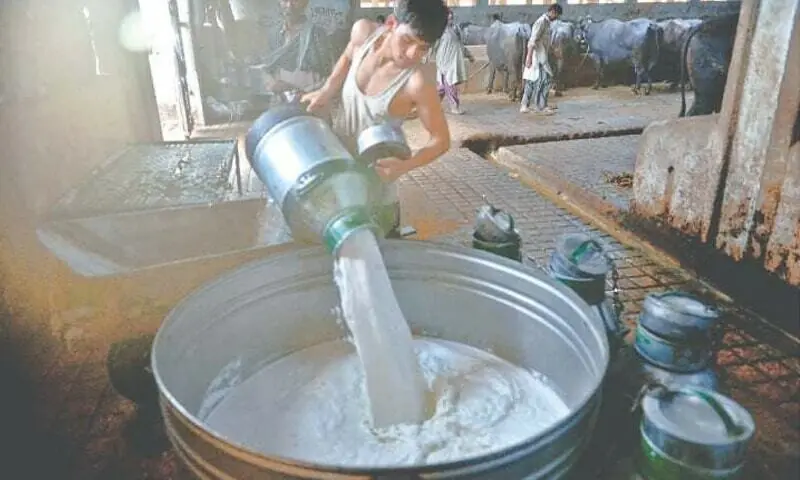
 KARACHI: The Sindh High Court’s Constitutional Bench was informed on Monday that all milk samples collected in Karachi are harmful…





- Indian social media sensation Orhan Awatramani, popularly known as Orry,…2 hours ago
- Pakistani actress Momina Iqbal has spoken openly about the emotional…2 hours ago
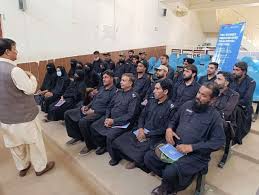
- The merger of the Levies Force into the Balochistan Police…2 hours ago
- Pakistan’s poultry industry has voiced concerns over the federal budget…2 hours ago